

Enable Windows PowerShell 2.0 in Windows 11: Windows 11 introduces a shift toward modernization, with the default console app now being Windows Terminal. This change affects familiar tools like the Command Prompt and Windows PowerShell, which are now integrated within the Windows Terminal. PowerShell 2.0, a powerful scripting language and command-line shell, offers advanced functionality and automation capabilities for managing Windows systems. While newer versions of PowerShell are available, there are scenarios where enabling PowerShell 2.0 is necessary, especially for compatibility with legacy scripts and applications. In this guide, we’ll walk through the steps to enable PowerShell 2.0 on a Windows 11 system, allowing users to leverage its features alongside newer PowerShell versions.
Table of contents
Important Update on PowerShell 2.0 [April 2026]
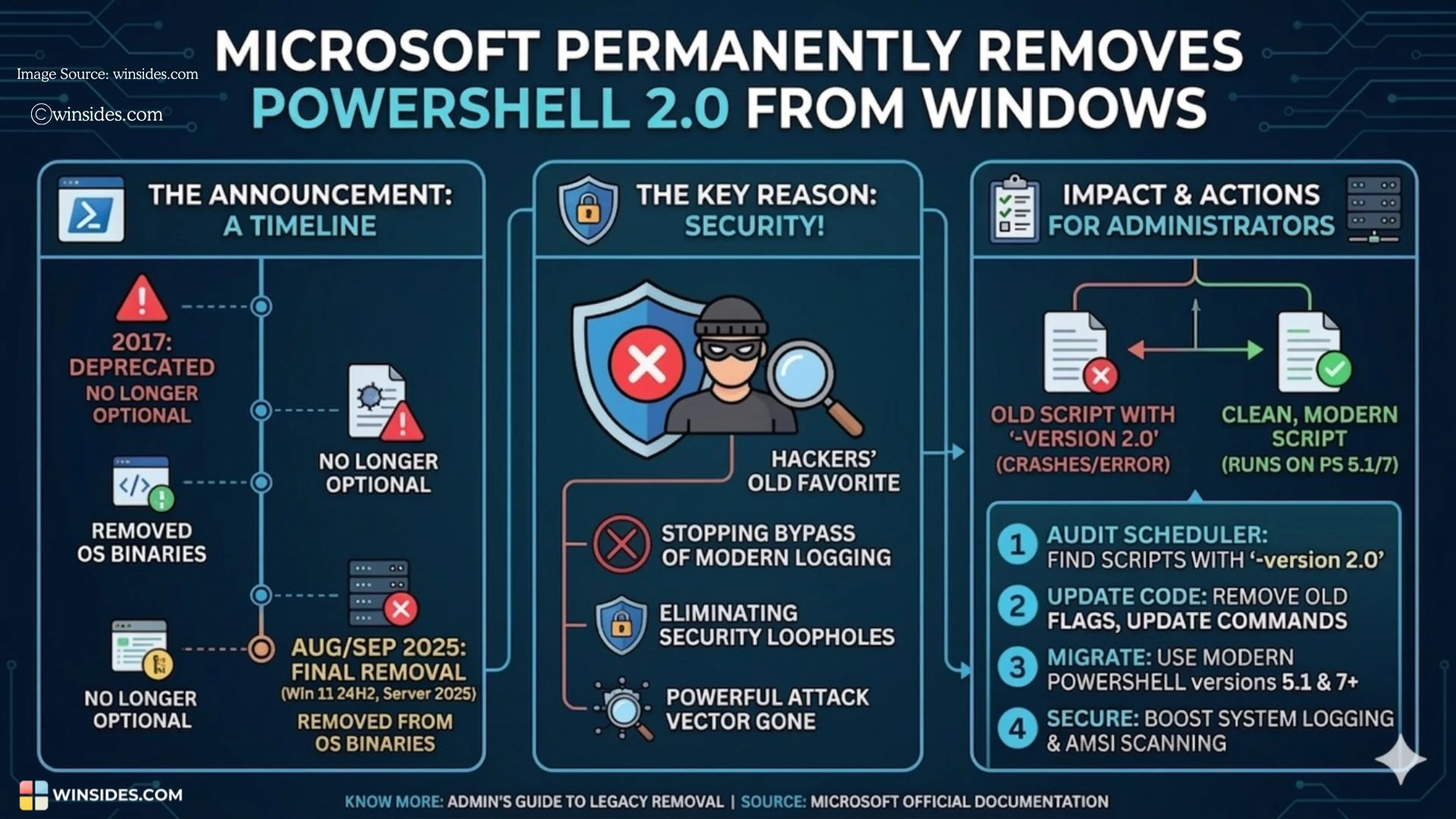
Microsoft officially killed and permanently deleted PowerShell 2.0 from modern Windows.
Microsoft deprecated PowerShell 2.0 in 2017, however, it was available as an optional feature for all these years. Recently, Microsoft has completely removed PowerShell 2.0 from Windows 11 version 24H2 (August 2025 Release). For Windows Server Editions, PowerShell 2.0 was deprecated by September 2025. Microsoft explains this measure as an effort to clean up legacy code, reduce the complexity of the PowerShell Environment, and improve Windows Security.
Windows 11 comes pre-installed with Windows PowerShell 5.1, and it still continues to be the default Scripting Tool on Windows 11. However, users can download and install the latest Windows PowerShell 7 for better, modern, and cross-platform functionalities. We have a detailed guide explaining how to check the PowerShell Version and upgrade to Windows PowerShell 7 on Windows 11.
We recommend that users upgrade to PowerShell 5.1 or the modern PowerShell 7, at their convenience. Missing PowerShell 2.0? Kindly share your thoughts in the comments section.
Enable Windows PowerShell 2.0 in Windows 11 – Simple Steps:
Though PowerShell 2.0 is deprecated on Windows 11, we preserve the following method of enabling PowerShell 2.0 on Windows 11 for documentation purposes.
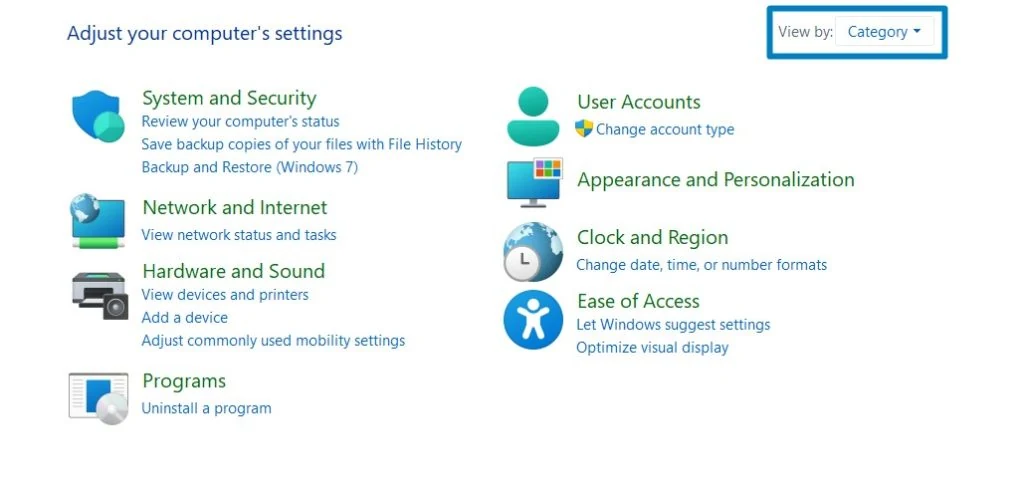
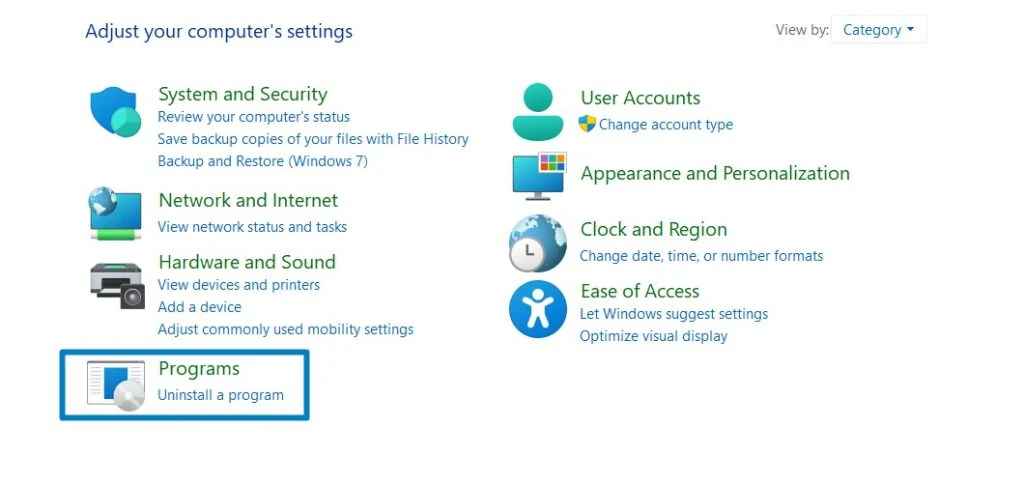
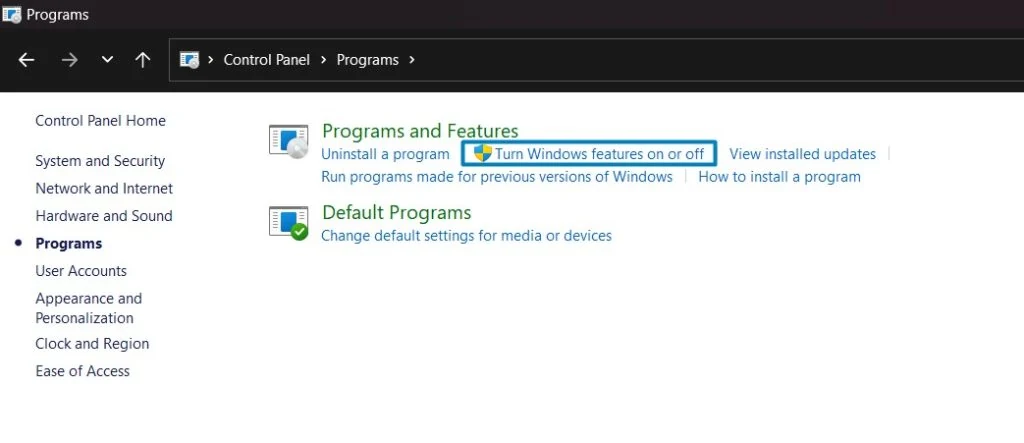
- Click on the Start Menu and open the Control Panel.
- Switch the Control Panel view to Category.
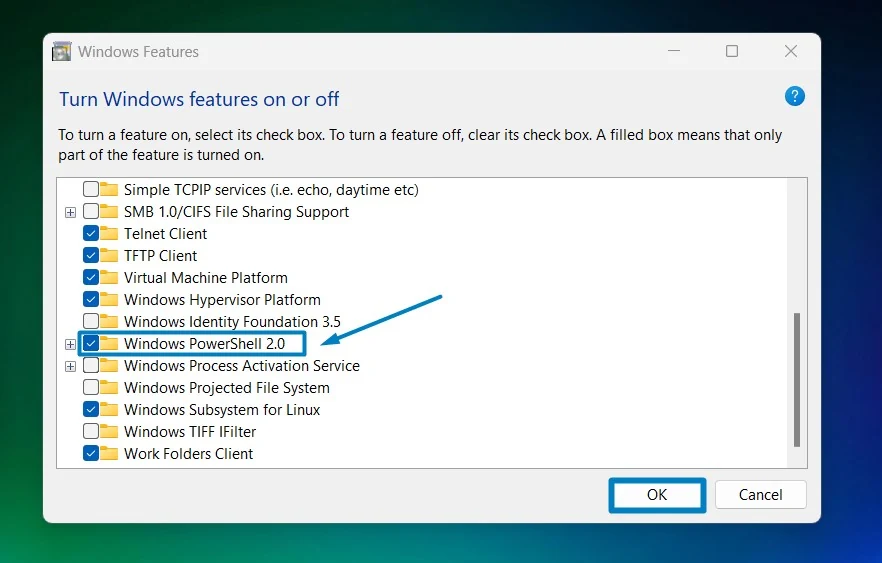
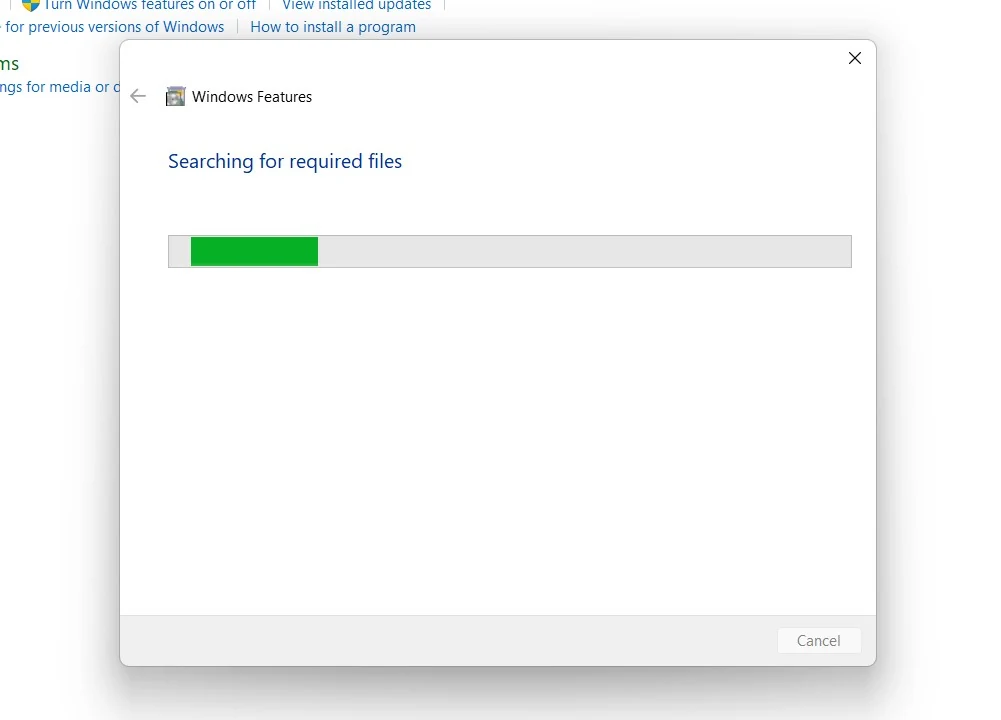
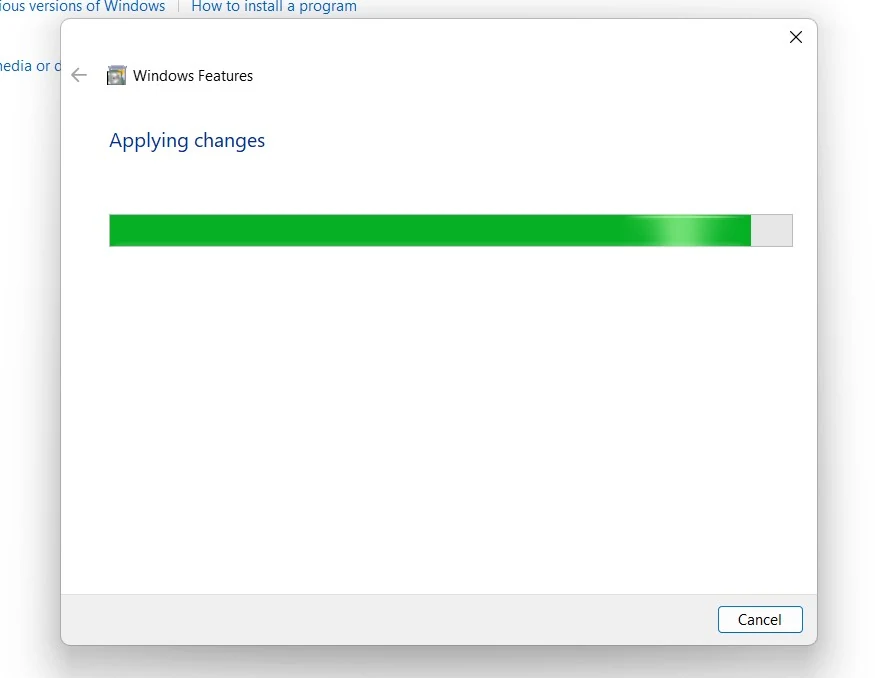
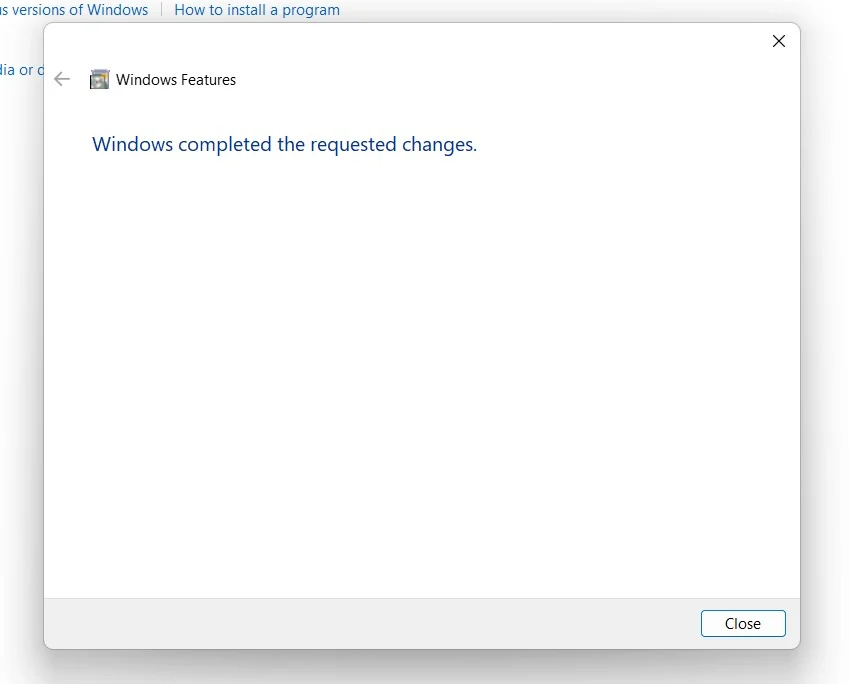
PowerShell 2.0 is the next generation of the PowerShell command processor. Although its technical details might not be widely known, some software still relies on it. If you encounter a situation where you need to execute a command to fix a problem, you might find yourself relying on PowerShell 2.0. Interestingly, it has zero effect on your computer’s speed.
Frequently Asked Questions
Why did Microsoft deprecate and remove PowerShell 2.0?
PowerShell 2.0 was originally released in 2009 with Windows 7 and is incredibly outdated. Microsoft removed it primarily for security reasons. Modern attack techniques often use PowerShell 2.0 to bypass modern security logging. Unlike PowerShell 5.1 and 7+, version 2.0 does not support Script Block Logging or the Antimalware Scan Interface (AMSI), making it a favorite tool for hackers looking to hide their tracks.
Can I still force a script to run in a PowerShell 2.0 environment if I absolutely have to?
If you have a legacy script and you have not removed the feature yet, you can instruct Windows to open it using the old engine by running powershell.exe -Version 2.0 -File C:\path\to\your\script.ps1
If you have already disabled or removed the feature, this command will result in an error stating that the specified version of PowerShell is not installed.
Why can’t I find “Windows PowerShell 2.0” in the “Turn Windows features on or off” menu anymore?
Microsoft permanently removed PowerShell 2.0 starting with Windows 11, version 24H2.
Does removing PowerShell 2.0 affect the PowerShell ISE?
While the standard PowerShell ISE technically loads on modern systems, Microsoft has long since stopped actively developing it. Because PowerShell 2.0 was deeply tied to the foundational code of the ISE, removing it was part of a broader effort to deprecate the ISE entirely.
Take away:
The permanent removal of PowerShell 2.0 isn’t just another routine Windows 11 update. It is a mandatory security evolution. By severing ties with this 15-year-old framework, Microsoft is actively closing one of the most notorious blind spots used by modern attackers to bypass system logging. Happy Coding! Peace out!
For more interesting articles, stay tuned to Winsides.com!









Community
Comments (2)