

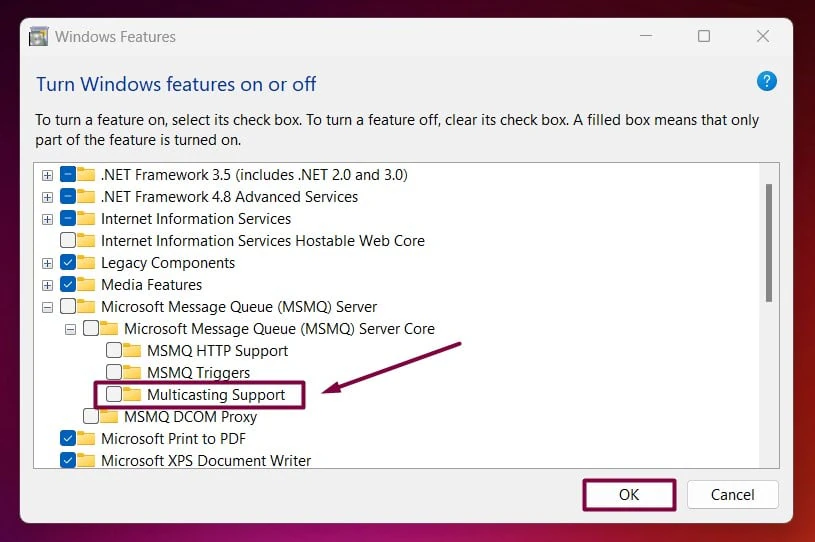
Enable Multicasting Support in Windows 11: Microsoft Message Queuing (MSMQ) is a messaging protocol that allows applications running on separate servers/processes to communicate in a failsafe. MSMQ ensures that messages are delivered even when the recipient application is not running. Multicasting in MSMQ allows a message to be sent to a multicast IP address. Any MSMQ queue that is subscribed to that multicast address will receive the message. This is particularly useful for scenarios where the same message needs to be delivered to multiple recipients simultaneously. This guide will walk you through the steps on how to Enable Multicasting Support in Windows 11.
Table of contents
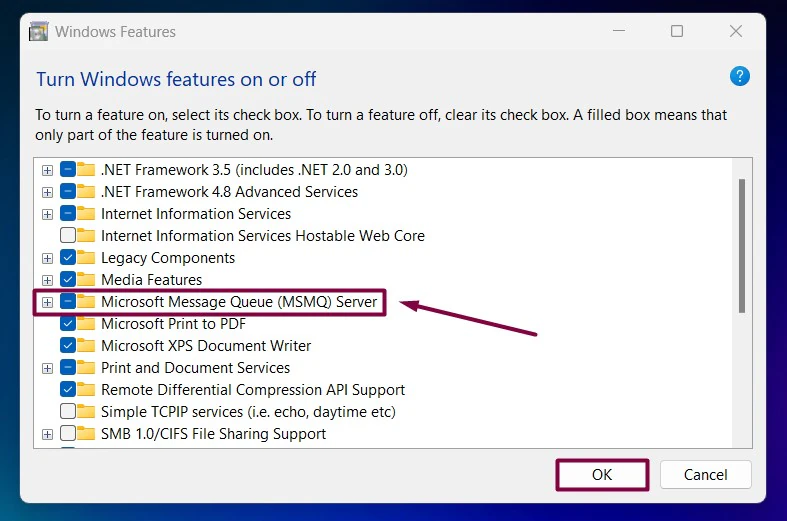
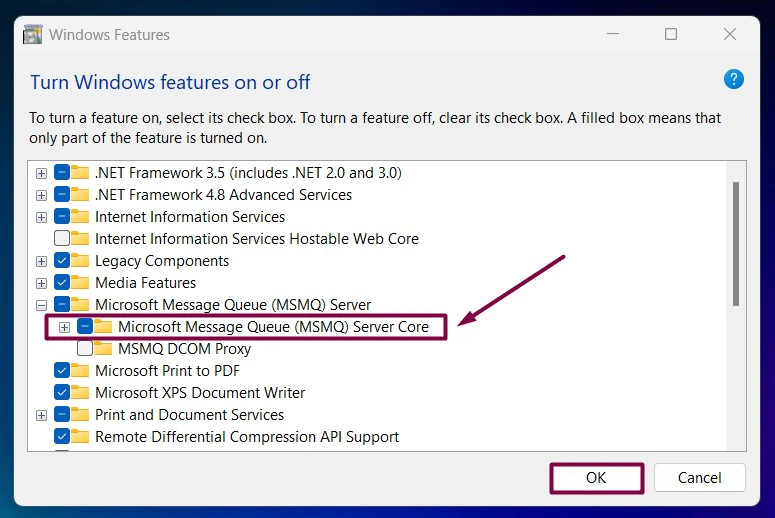
Detailed Steps to Enable Multicasting Support on Windows 11
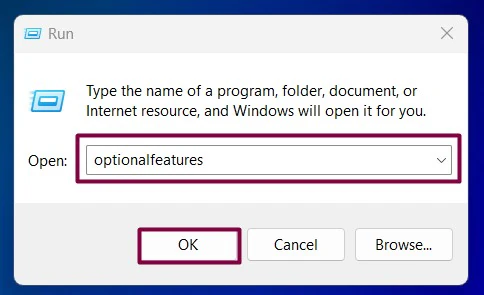
- Open the Run command box using the shortcut Win Key + R.
- Enter
optionalfeaturesIn the run command box.
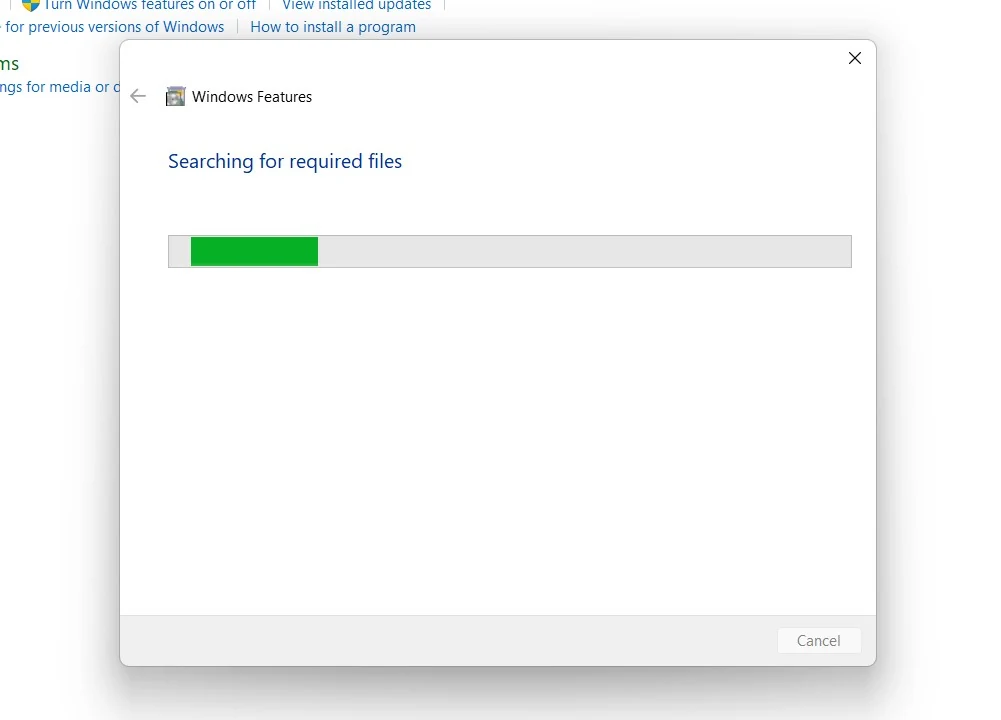
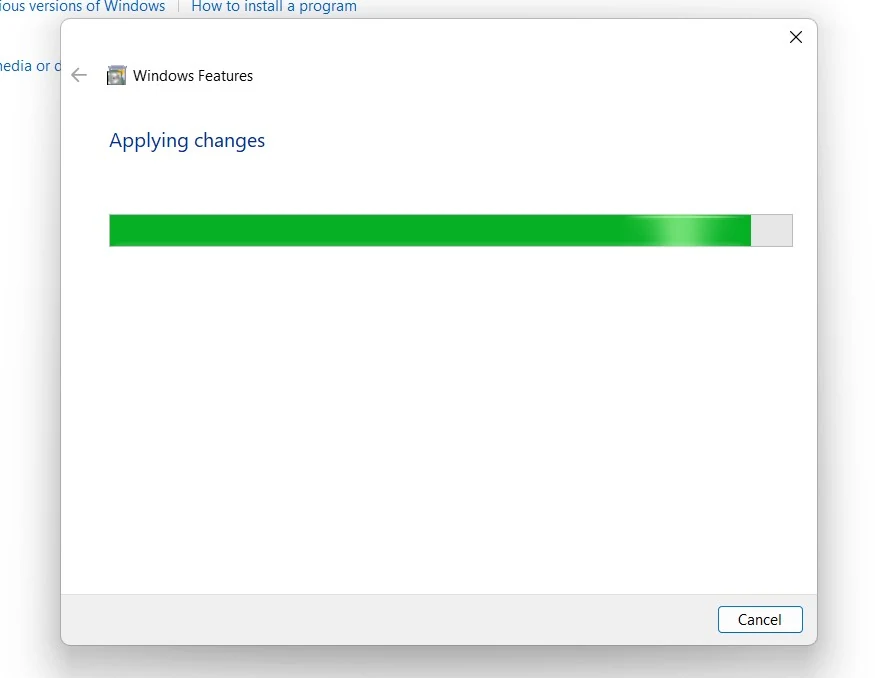
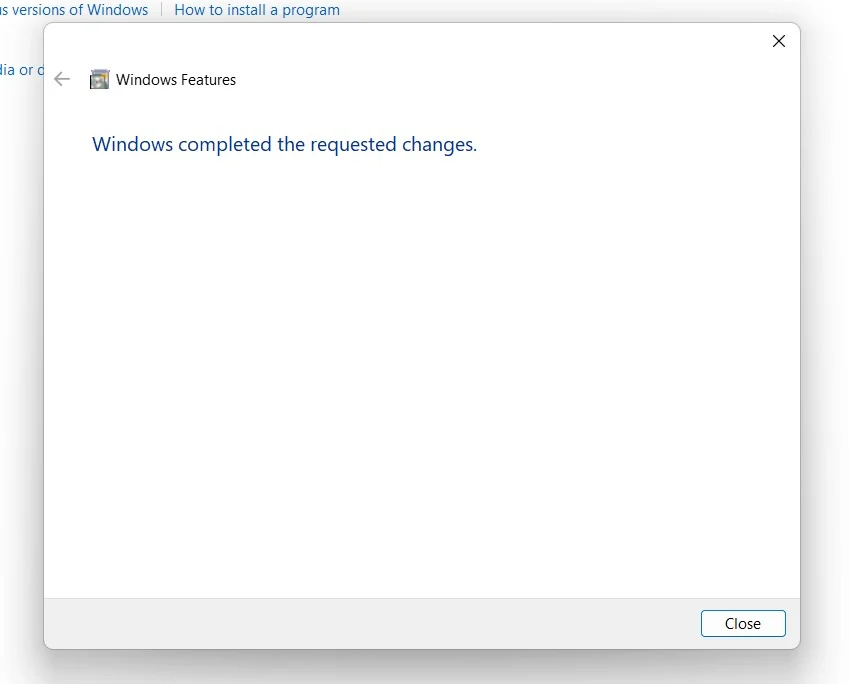
Significant Features of Multicasting Support in MSMQ:
- Efficient Message Distribution: MSMQ sends a single message to a multicast address instead of sending individual messages to each recipient. All queues listening to this address receive the message, reducing network traffic and improving efficiency.
- Scalability of the Feature: Multicasting is scalable because adding more recipients (queues) does not increase the sender’s workload or network usage significantly. All recipients receive the message from the multicast stream.
- Dynamic Group Membership: Queues can join or leave multicast groups dynamically, allowing for flexible and dynamic message routing.
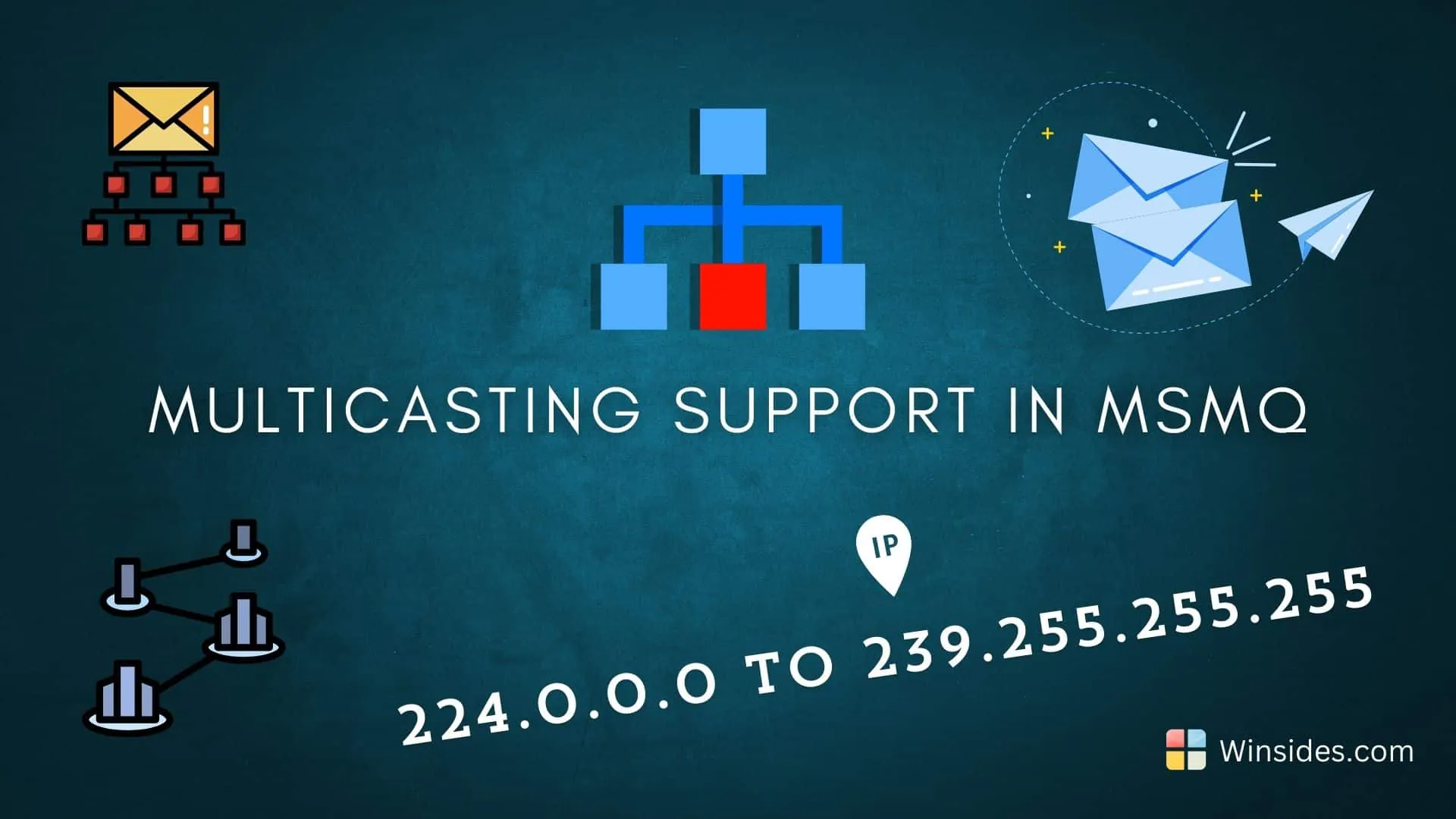
- Support for IP Multicast: MSMQ uses IP multicast addresses (from the range 224.0.0.0 to 239.255.255.255 for IPv4) to send messages to multiple recipients.
Use Case Scenarios for MSMQ Multicasting Support:
- Broadcasting Updates: Sending system updates, stock prices, or other real-time information to multiple clients.
- Event Notification Systems: Broadcasting event notifications to multiple services or applications.
- Distributed Applications: Sending messages to multiple instances of an application or service running on different machines.
Note: Multicast Support in MSMQ is particularly useful in scenarios requiring real-time data distribution to multiple consumers.
Frequently Asked Questions
How do I allow Multicast traffic through the Windows Firewall?
The firewall is the most common place where multicast packets (typically sent to IP addresses in the 224.0.0.0 to 239.255.255.255 range) are blocked. Search for Windows Defender Firewall with Advanced Security. Click on Inbound Rules. Look for rules related to Network Discovery (SSDP or UPnP). Right-click the rule and select Enable Rule. This allows your PC to “hear” the multicast announcements from other devices.
What is the role of IGMP Snooping in my router?
Multicasting isn’t just about Windows; your network hardware must also support it. If your Windows 11 PC is configured correctly but still isn’t receiving multicast streams, check your Router/Switch settings for IGMP Snooping. When enabled, the router intelligently sends multicast traffic only to the ports that requested it, preventing the network from being flooded.
How do I test if Multicasting is working on my Windows 11 PC?
You can use the native netsh command to see which multicast groups your PC is currently a member of. Open Command Prompt and type: netsh interface ipv4 show joins This will list every interface and the specific multicast IP addresses it is listening to. If you see addresses like 224.0.0.251 (mDNS) or 239.255.255.250 (SSDP), Your system is actively participating in multicasting.
Why do my local smart devices (like printers or speakers) disappear when I connect to a VPN?
When you connect to a VPN, your network traffic is routed through a secure “tunnel.” Most VPN configurations are designed to handle Unicast traffic (point-to-point) and, by default, do not support or forward Multicast or Broadcast packets.
Take away:
By following these steps, you can enable and configure multicasting support in the MSMQ Server core on Windows 11, allowing efficient message distribution to multiple recipients using multicast addresses. If you find this article helpful, share your feedback and give us a rating.
Have Queries?
We hope you are satisfied with our article, and if you have any questions, kindly let us know in the comments. For more intriguing articles, stay tuned to Winsides.com!



Community
Comments (0)