

System Information in Windows 11: Knowing your system information is crucial for troubleshooting, upgrading hardware, or simply understanding what your device is capable of. Windows 11 provides multiple ways to access detailed information about your computer’s hardware and software. In this article, we’ll walk you through the various methods to check system information in Windows 11.
Table of contents
Different Methods to Access System Information in Windows 11:
- System Information Tool using Run Dialog
- Windows Settings to access System Information
- Open System Information using Windows Terminal
Using System Information Tool:
- Open the Run Dialog box using the shortcut Win Key + R.
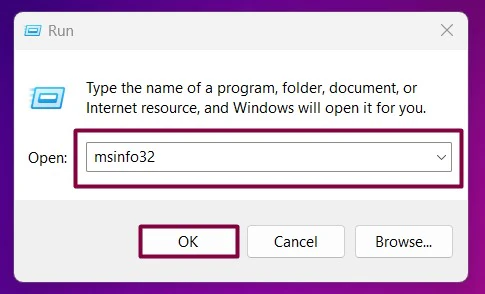
- Type the following command in the Run Dialog.
msinfo32
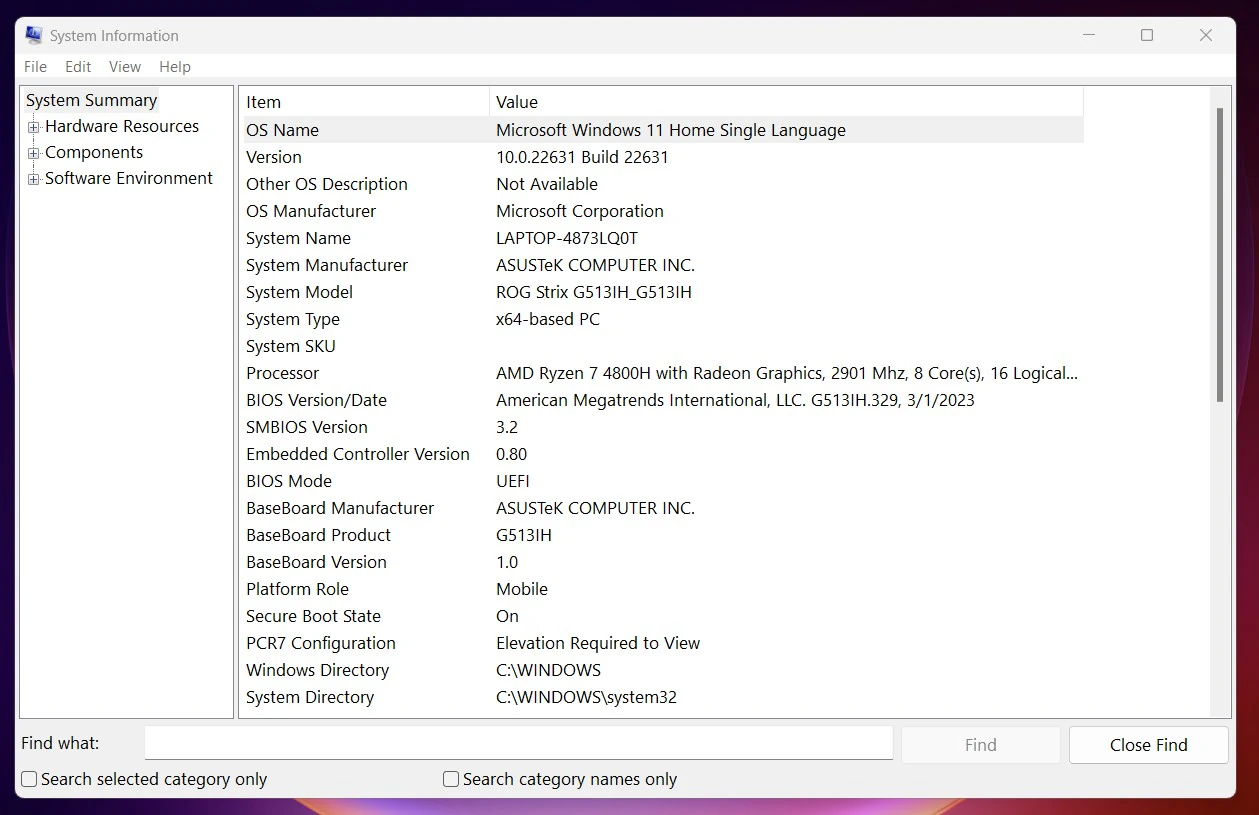
Some of the essential information available in this window is OS Name, OS Version, Process, BIOS Version/Date, Embedded Controller Version, BIOS Mode, Secure Boot State, Baseboard Manufacturer, Version, Kernel DMA Version, Time Zone, Physical Memory, Virtual Memory, Page File, and more. Among the various methods to check system information in Windows 11, the System Information tool (msinfo32) provides the most comprehensive and detailed view of your system’s hardware and software configuration. It is widely used by developers and IT professionals for its extensive and organized data presentation.
Open System Information using Windows Settings:
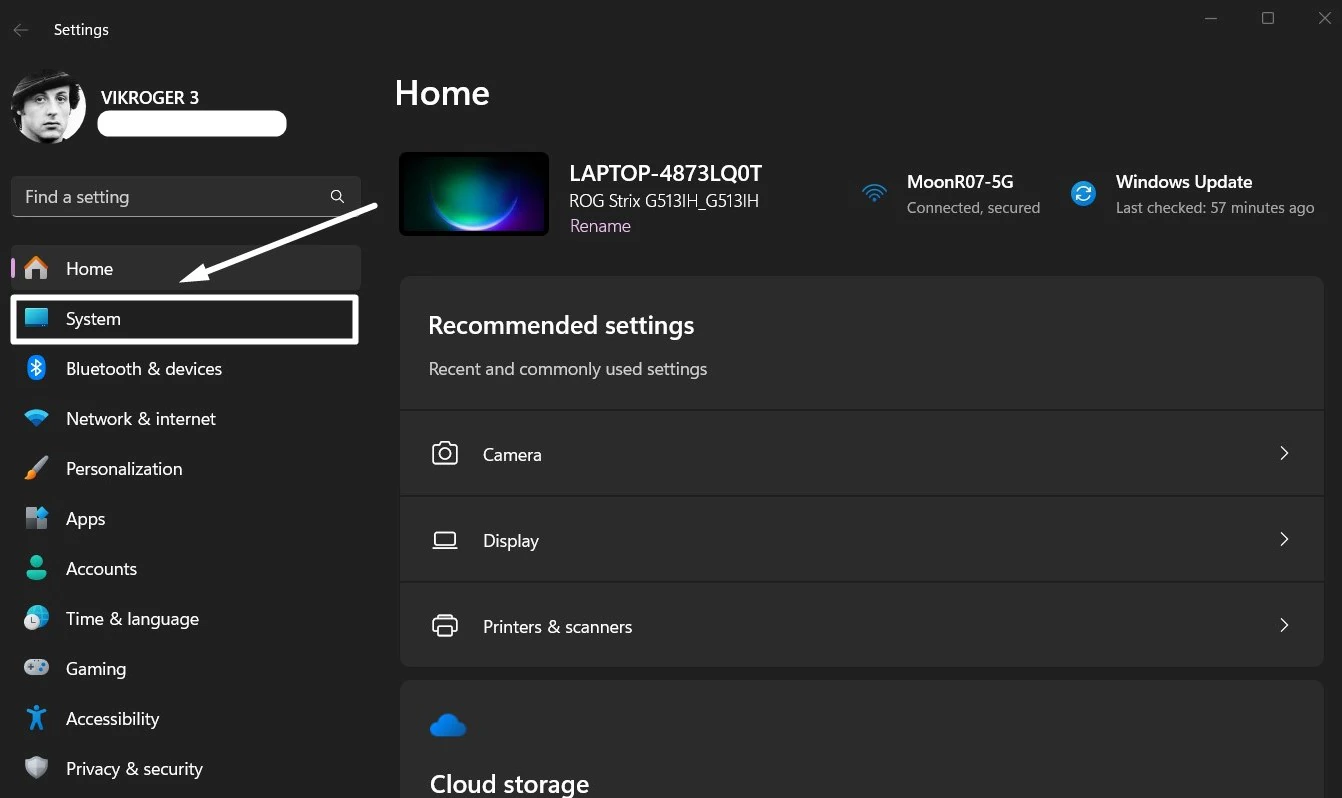
- Go to Windows Settings using the shortcut Win Key + I.
- From the left pane, click on System.
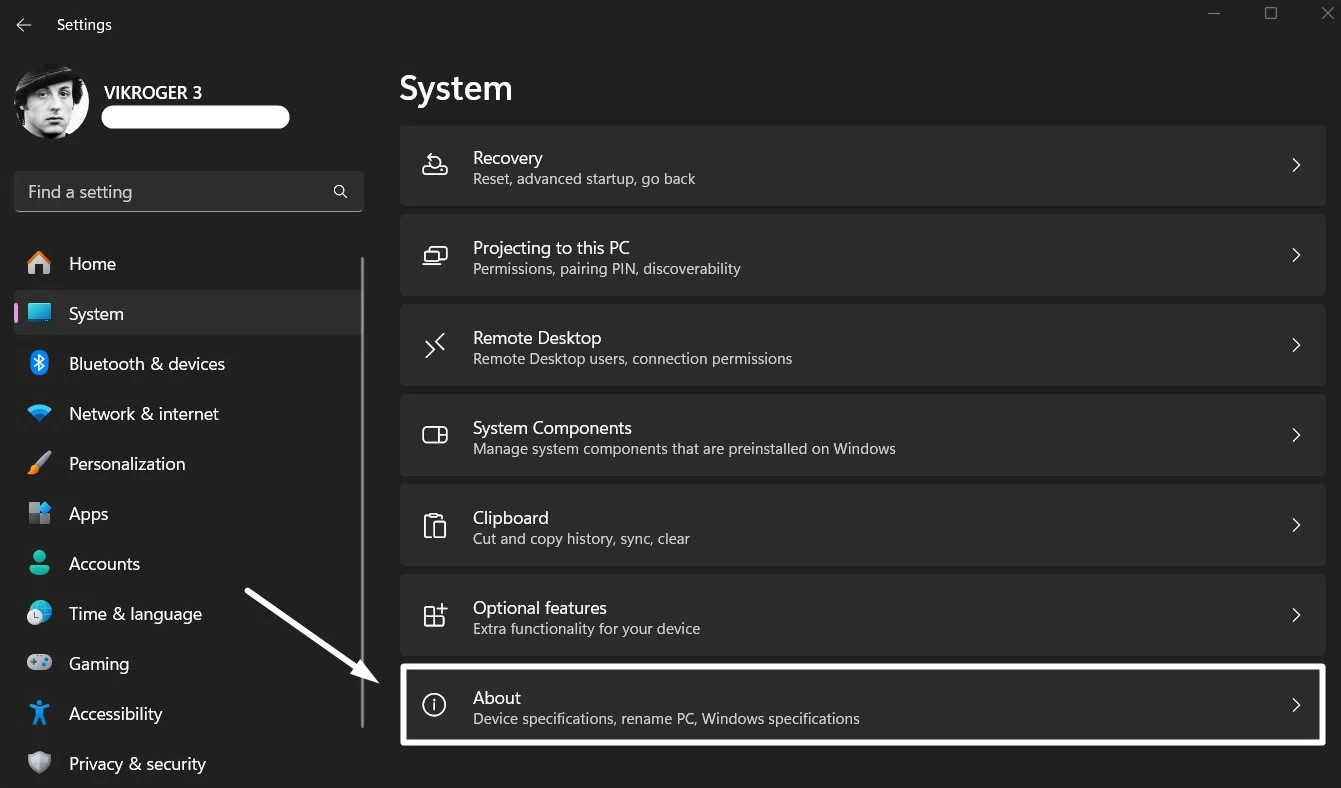
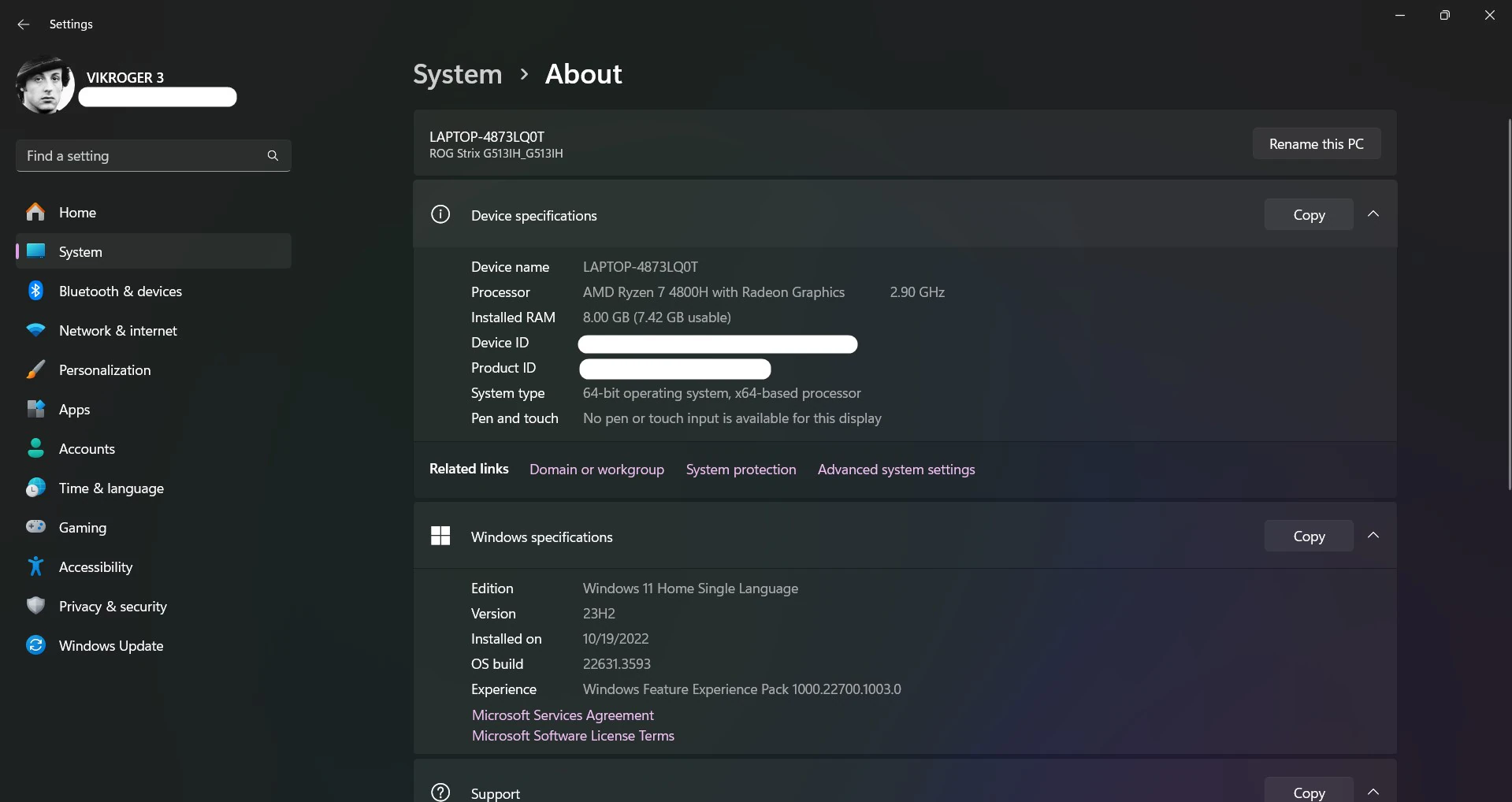
This section provides limited information about your system.
You can also use the This PC option to access this option in Windows 11. Right-click on the empty space of “This PC“, then click Show more options, and then click Properties.
System Information using Windows Terminal:
Windows Terminal is a modern, powerful terminal application developed by Microsoft for Windows 10 and Windows 11. It combines multiple command-line tools and shells like Command Prompt, PowerShell, and the Windows Subsystem for Linux (WSL) into a single interface. Let’s use Windows Terminal to open System Information in Windows 11.
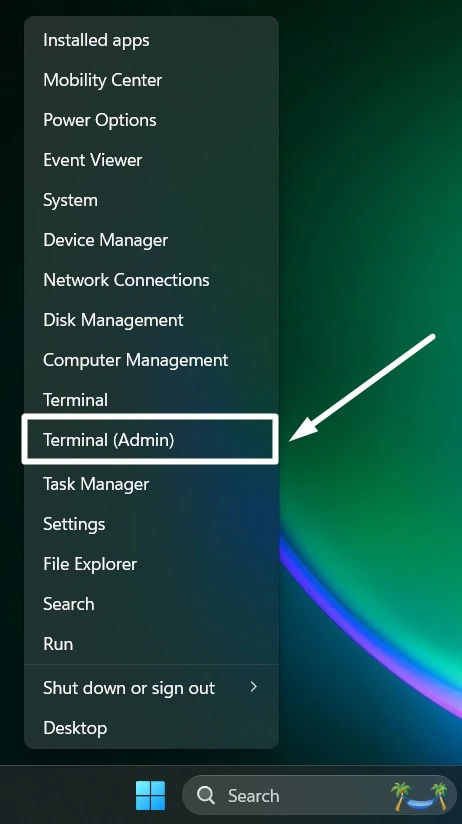
- Use the keyboard combination Win Key + X and click on Terminal (Admin).
systeminfo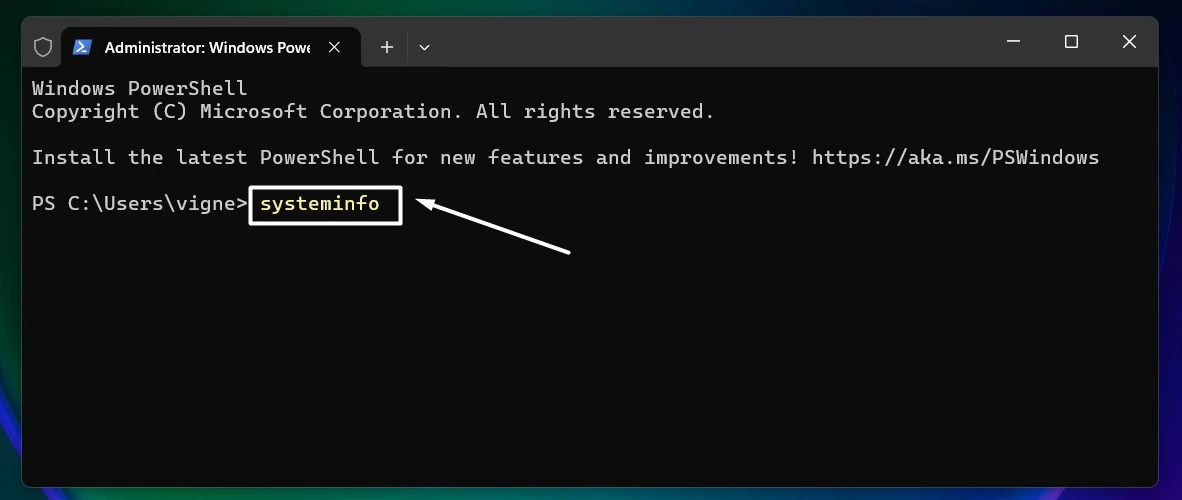
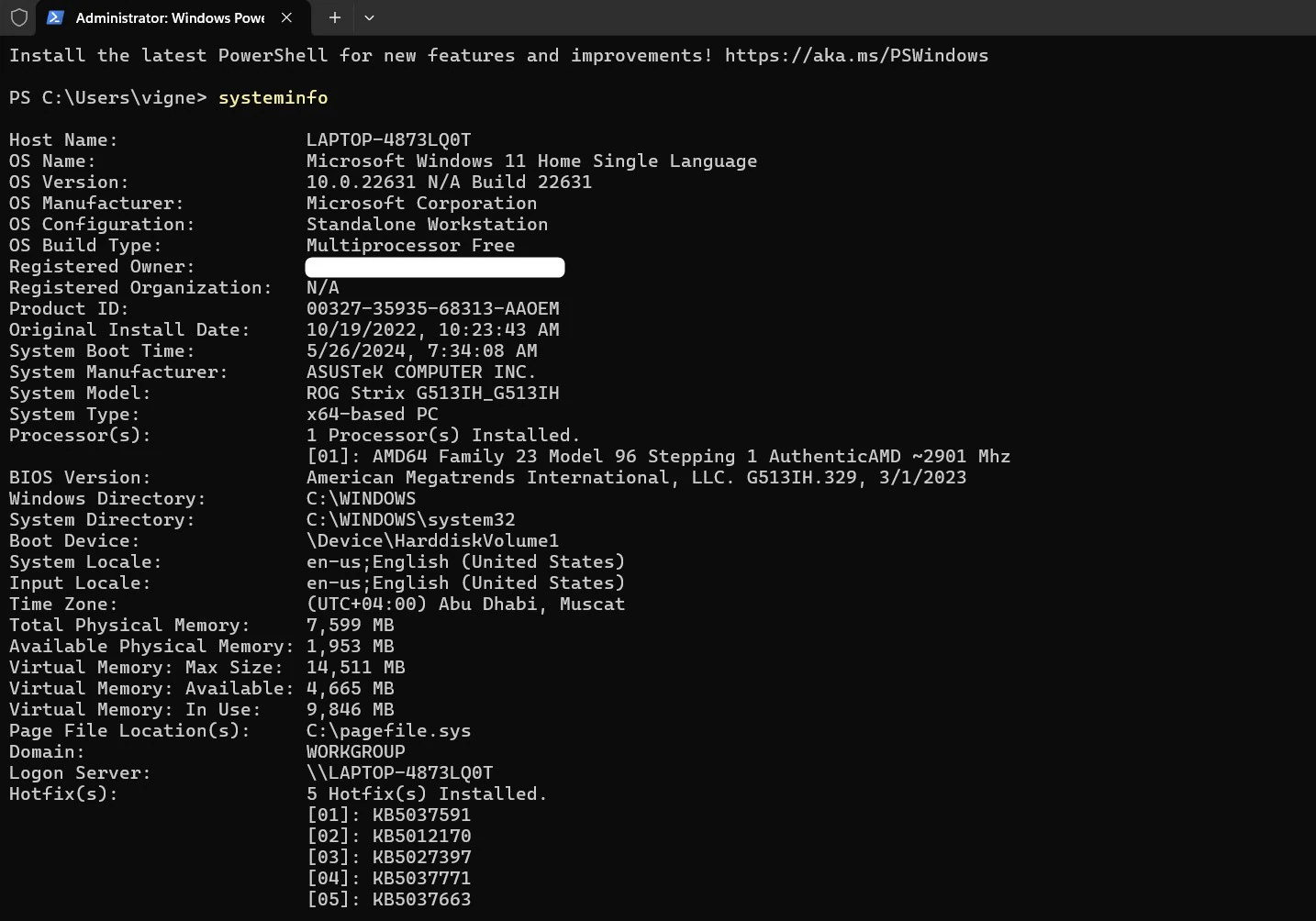
- Now, you can find all the System Information listed in the Windows Terminal itself.
Frequently Asked Questions
Where can I find the “System Model” name for driver updates?
Manufacturers often name computers something like “Laptop Pro 15,” but the actual BIOS System Model might be something like 82XM. You can find this specific identifier on the msinfo32 main page under System Model. Using this exact string on a manufacturer’s support site ensures you download the correct BIOS and chipset drivers.
How can I view “hidden” system information like battery health?
For laptop users, Windows 11 hides a detailed “Battery Report” that isn’t in the standard menus. Open Command Prompt and type powercfg /batteryreport and press Enter. It will generate an HTML file in your user folder. Open this file to see your battery’s Design Capacity versus its Full Charge Capacity, giving you a scientific look at how much the hardware has degraded over time.
What is the difference between “System Summary” and “Environment Variables”?
In the msinfo32 tool, the System Summary is the top-level view of your hardware. However, if you navigate to Software Environment > Environment Variables, you will find data that dictates how software behaves—such as where temporary files are stored (TEMP folders) and the Path variable, which tells Windows where to look for executable programs.
How do I check for hardware resource conflicts?
Take away:
Windows 11 provides multiple ways to access and check system information in Windows 11, catering to both basic and advanced users. Whether you use the System Information tool, Settings app, Windows Terminal, or other methods, you can easily find the information you need to manage and optimize your device.
Have Queries?
Understanding your system’s specifications is essential for troubleshooting, upgrading, performance monitoring, software requirements, and ensuring your computer runs smoothly. If you have any questions, kindly let us know in the comments. Stay tuned to Winsides.com. Happy Coding! Peace out!







Community
Comments (0)